Butcher paper is extensively used in the food and packaging industries, as it is strong and versatile. It is also used for wrapping meats, storing food, and smoking barbecues.
But you might wonder what is so special about butcher paper and how it differentiates from other wrapping materials, such as parchment or freezer paper.
This guide will explore everything you need to know about butcher paper, including its types, uses, benefits, and drawbacks.
We will also compare it with similar materials to help you choose your requirements best. So keep reading!
What Exactly is Butcher Paper?
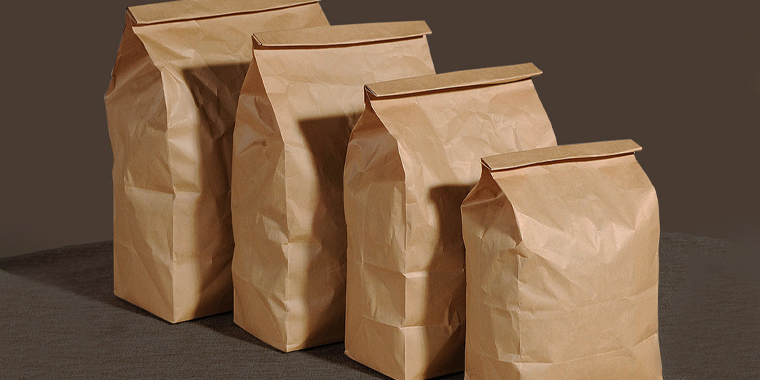
Butcher paper is a type of kraft paper. It is durable and breathable. This is used in butcher shops for wrapping meat and in grocery stores for paper grocery bags.
Butcher paper is unwaxed and allows moisture to escape. This helps to keep food fresh. It is unlike waxed paper, but some resist moisture and leaks.
4 Types of Butcher Paper
Several kinds of butcher paper are available in the market. These are explained below:
1. White Butcher Paper
This is a plain, untreated paper that provides a clean and simple presentation. It is normally used to wrap meat and food tray packaging.
2. Peach Butcher Paper
It is treated to resist blood and moisture, making it ideal for wrapping raw meat and ensuring minimal leaks.
3. Colored Butcher Paper
These are available in blue, red, and other colors for branding and presentation. This kind of butcher paper is used in restaurants.
4. Unwaxed Butcher Paper
It is the standard type that is free from any coatings. It allows better breathability and absorption of excess moisture.
Applications of Butcher Paper
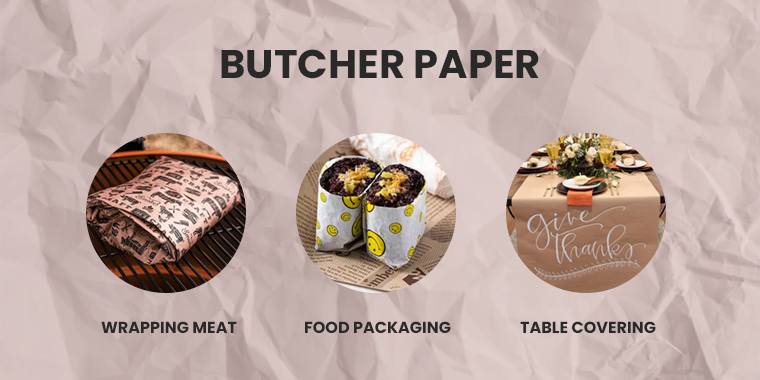
Butcher paper has diverse applications in different industries. It is used for:
Wrapping Meat
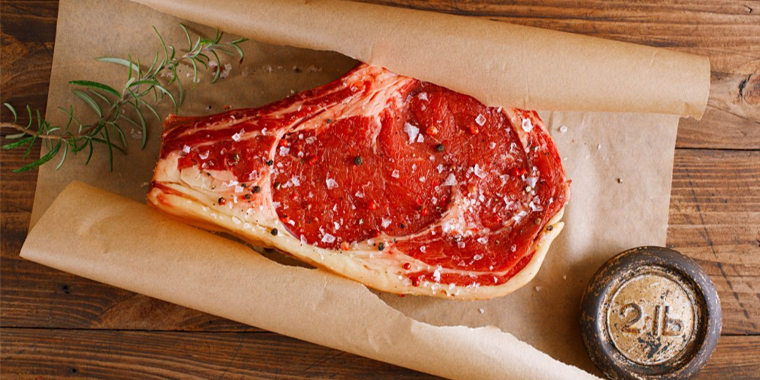
It is ideal for wrapping fresh meat, fish, and poultry. It keeps them fresh while allowing airflow.
Smoking Barbecue
Butcher paper allows smoke to penetrate the meat while keeping it moist. This enhances the flavor and texture.
Food Packaging
This is used for sandwiches, burgers, and other items in takeout boxes. It keeps the food warm and fresh.
Table Covering
Restaurants and butcher shops use it to cover tables and counters for easy cleanup.
Crafts and Decorations
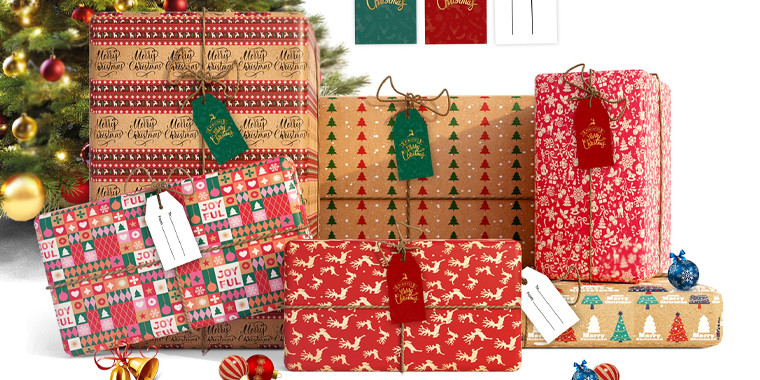
Colored butcher paper is used for art projects and packaging decorations. That’s why it is a favorite for schools and businesses.
How to Properly Use Butcher Paper?
Using butcher paper is simple, but a few tips can improve its effectiveness. Let’s discuss them:
For Meat Wrapping
Fold the paper tightly around the meat. This locks in moisture and allows airflow, thus ensuring freshness.
For Smoking Barbecue
Wrap the meat after it has developed a bark to retain juiciness. This helps preserve texture and enhance flavor.
For Packaging
Choose the right thickness to ensure durability and presentation quality. It is important for takeout and food service businesses.
Benefits & Drawbacks of Butcher Paper
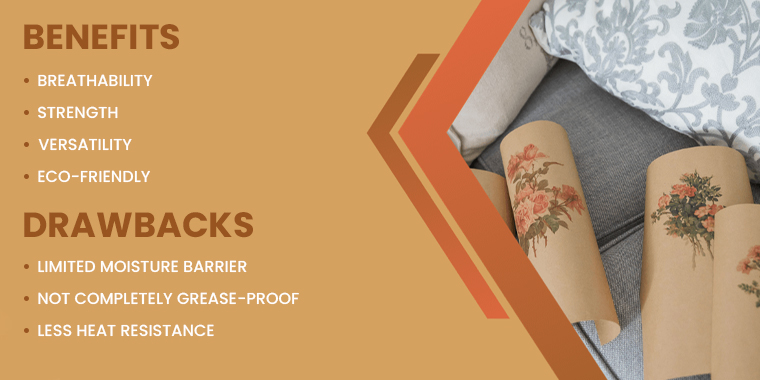
Butcher paper offers many benefits, but it also has some drawbacks. Let’s review them for a better understanding of it:
Benefits
Breathability
It allows moisture to escape. This prevents soggy food and ensures the meat stays fresh.
Strength
Butcher paper is resistant to tears. That’s why it is reliable for packaging and wrapping food.
Versatility
This paper is suitable for wrapping, smoking, and presentation across various industries.
Eco-Friendly
Butcher paper is recyclable and has reduced environmental impact. This makes it a part of sustainable packaging.
Better Smoking Results
Butcher paper allows smoke to penetrate meats, while foil traps steam and can make food overly soft. That’s why it is recommended to use butcher paper to wrap pork shoulder.
Drawbacks
Limited Moisture Barrier
Butcher paper does not have a plastic coating. Due to this, it is not ideal for long-term storage of meat.
Not Completely Grease-Proof
Although it absorbs moisture, excessive grease can sometimes seep through. This makes it less effective for oily foods.
Less Heat Resistance
It can withstand low to moderate heat, but it is not suitable for baking or direct high-temperature cooking like parchment paper.
Not as Airtight as Plastic Wrap
Plastic mylar vacuum seal bags offer better protection for preserving freshness over long periods.
Comparing Butcher Paper With Other Materials
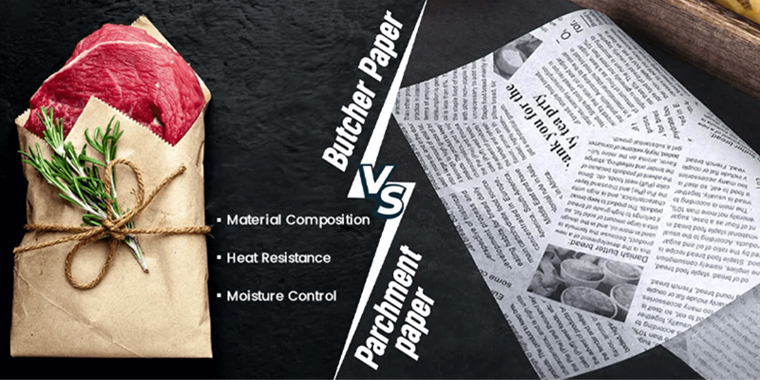
Many people confuse butcher paper with other materials. Here’s how they differ:
1. Butcher Paper Vs. Parchment Paper
Parchment paper is coated with silicone. This makes it safe to be used in the oven. Butcher paper, on the other hand, is more breathable and absorbs moisture. This makes it better for wrapping meats.
2. Freezer Paper Vs. Butcher Paper
Freezer paper has a plastic coating on one side. This makes it better for storage for long periods, while butcher paper is suitable for short-term use.
3. Kraft Paper Vs. Butcher Paper
Kraft paper is similar, but it lacks the food-grade element of butcher paper. Due to this, it is less suitable for direct contact with food.
Also Read: Kraft Paper – Best Option For Sturdy And Eco-Friendly Packaging
Final Words:
Butcher paper is a valuable tool that offers durability and versatility. If you're a butcher, or a home cook, understanding its benefits and proper usage can enhance your food preparation and presentation.
At Custom Designs Boxes, we offer high-quality packaging solutions that are made to your packaging needs. We provide the best options for food safety and presentation.
Contact us today via email at sales@customdesignsboxes.com to learn more about our premium packaging materials!